Start with seller verification
Confirm the seller’s full name, business address, phone number, ID or company details, previous sales record and whether the car is physically available for inspection. Avoid pressure tactics such as “pay now or lose it†when the VIN and documents have not been checked.
Verify the VIN and documents
The VIN on the car must match customs papers, registration, invoice, insurance, service history and any auction or import records. If there are multiple spellings, missing digits or document conflicts, do not proceed until the issue is explained clearly.
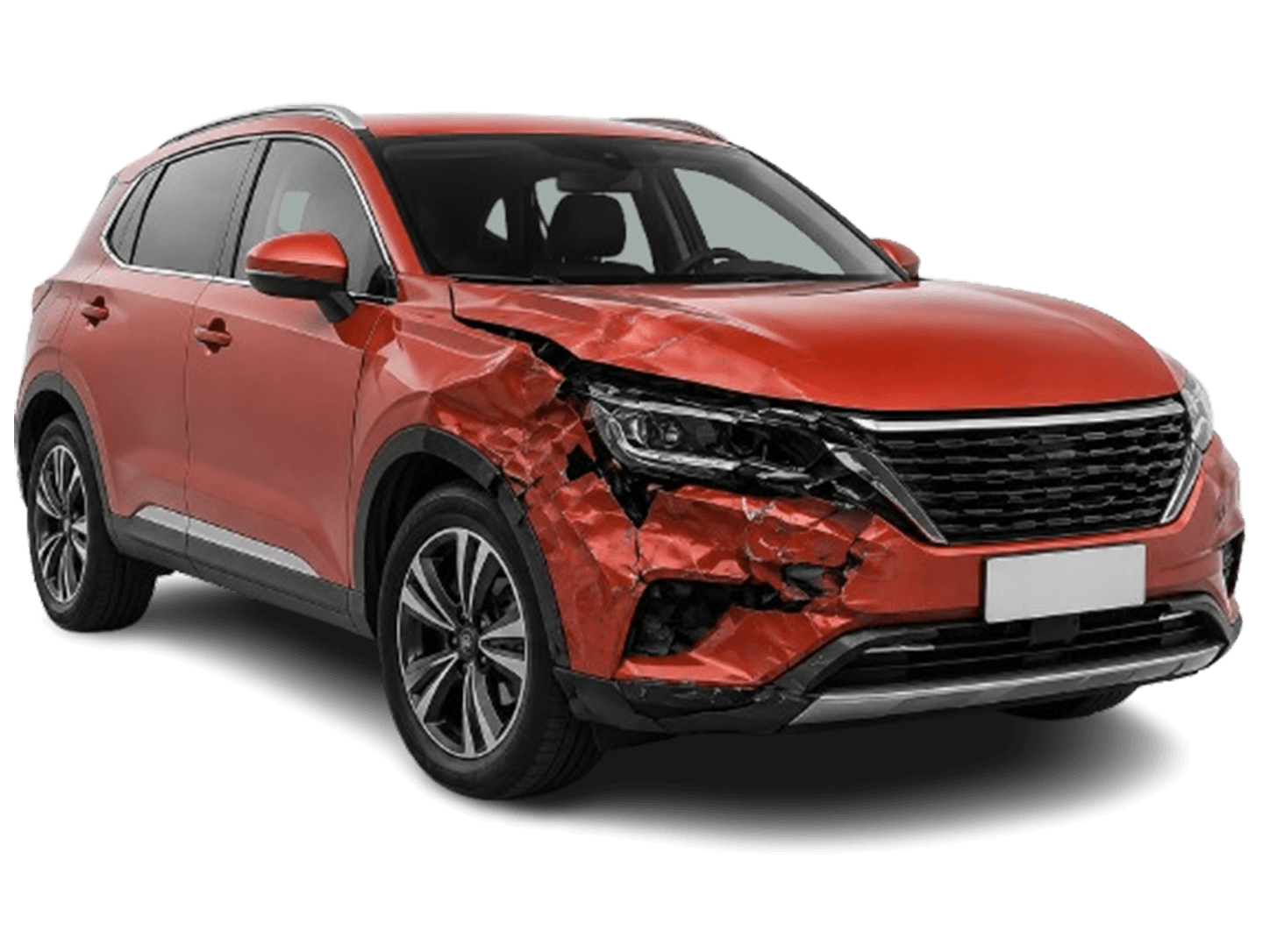
Check accident history and body repairs
Inspect paint shade, panel gaps, bolts, airbags, seatbelts, radiator support, chassis rails, boot floor and underbody. Accident repairs can affect ADAS cameras, parking sensors, airbags, cooling and suspension alignment.
Confirm mileage and service history
Compare odometer reading with service dates, tyre age, brake wear, steering wheel wear, seat wear and diagnostic data where possible. Very low mileage on a heavily worn car is a major red flag.
Run diagnostics before payment
Modern Chinese cars rely heavily on electronics. Scan engine, transmission, ABS, airbags, ADAS, battery, body control and infotainment modules. Cleared faults can return after test driving, so scan before and after driving where possible.
Check parts and software support
Before buying, confirm filters, brake pads, sensors, lamps, body panels, suspension parts, tyre size, screen language, map support and diagnostic access. Use VIN-based parts confirmation for rare trims.
Payment safety checklist
Only pay after VIN check, inspection, document match, seller verification, written invoice, agreed delivery terms and clear transfer recipient. Keep screenshots, receipts and written communication.
Frequently asked questions
What should I verify before buying a used Chinese car?
Verify VIN, documents, seller identity, accident history, mileage, service records, software language, diagnostics, parts support and payment details.
Can ChineseCars.ng help me verify before payment?
ChineseCars.ng provides VIN check support, buyer guidance, spare-parts routing and Chinese car ownership support for Nigerian buyers.
Is VIN check the same as physical inspection?
No. A VIN check looks for records and identity clues tied to the chassis number, while physical inspection checks the actual vehicle condition. Nigerian buyers should use both before payment.
Can a VIN report show every accident?
No report can guarantee every accident, especially if repairs were never recorded. A VIN report can reveal available accident, auction, salvage, stolen, mileage, recall or background records where databases return them.
What do I need for a ChineseCars.ng VIN check?
You need the 17-character VIN or chassis number. It is also helpful to send the brand, model, year, seller location, asking price and photos of the vehicle documents.
Run a ChineseCars.ng VIN check before you pay. Send the VIN or chassis number, vehicle model and seller details so the team can confirm payment and start your report.
Check VIN