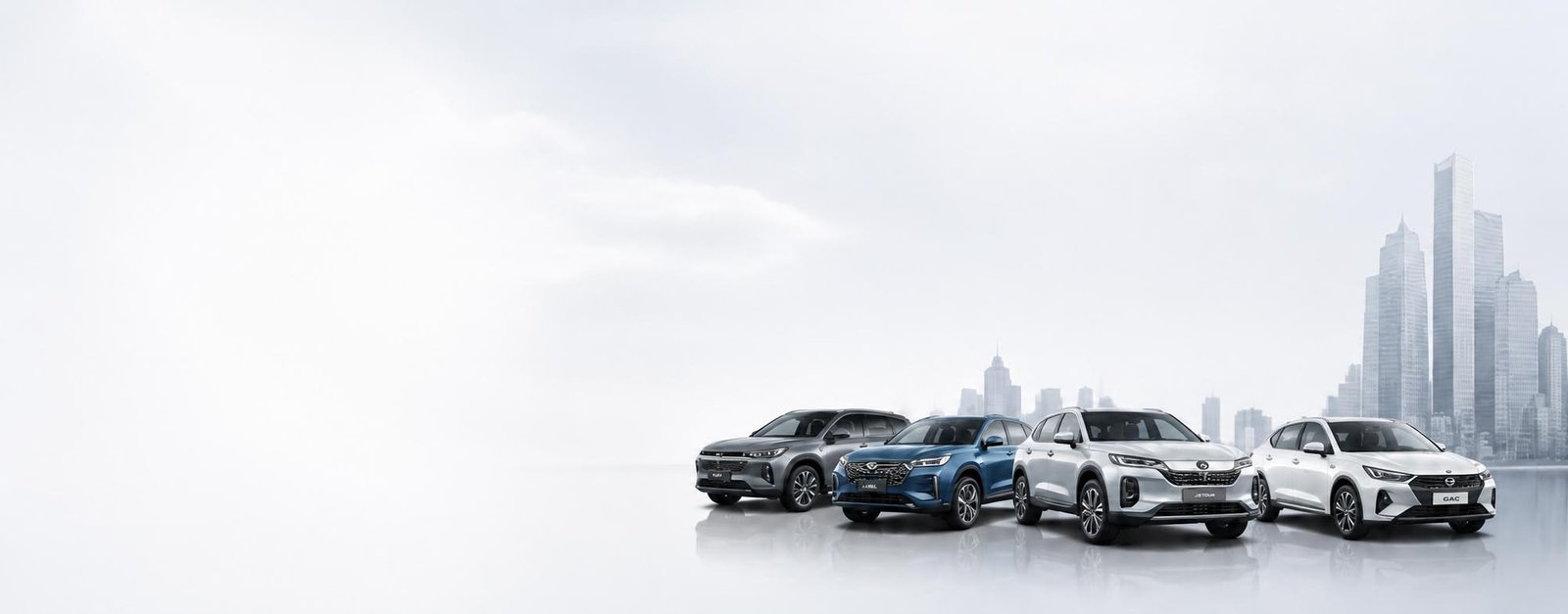
Why Chinese cars are gaining ground in Nigeria
The attraction is simple: many Chinese cars offer modern styling, touchscreen infotainment, cameras, panoramic roofs, ADAS safety features, keyless entry and warranty conversations at prices that compete with older used vehicles. For buyers in Lagos, Abuja and Port Harcourt, the idea of a newer vehicle with fewer hidden accidents is powerful.
The brands Nigerian buyers are asking about
BYD is the strongest name in the EV conversation. Changan is growing through SUVs and sedans. JAC has commercial and pickup relevance. Haval is known for SUVs. GAC, Geely, Chery, Jetour, MG, Omoda and Jaecoo are also becoming more visible. Each brand has different strengths, so do not judge all Chinese cars as one category.
The showroom does not tell the whole story
A car can look impressive in the showroom and still become stressful if the dealer cannot support warranty claims, diagnostics, spare parts or software updates. Ask what happens after the sale: where the service centre is, which parts are stocked, what must be ordered and who handles warranty approval.
Spare parts availability is not the same for every brand
Consumables such as filters, brake pads and service items are easier for popular models. Sensors, lamps, bumpers, ECUs, body panels, gearboxes and infotainment modules can be harder, especially for rare China-spec imports. Always request parts support by VIN, not just model name.
Maintenance requires the right technician
Nigeria has many mechanics who understand Toyota and Honda deeply, but fewer technicians are trained on Chinese platforms. Modern Chinese cars are software-heavy, so a generic OBD scanner may miss important faults. Choose workshops that understand diagnostics, calibration and brand-specific parts.
Budget beyond purchase price
Your real cost includes registration, insurance, tracker, routine service, tyres, brake parts, AC service, software support and occasional unexpected repairs. Many Chinese SUVs also use tyre sizes that may not be common in every Nigerian tyre shop, so check tyre availability before buying.
Warranty is only as strong as the dealer behind it
A written warranty is useful only if the dealer has the workshop, technicians, parts access and willingness to honour it. Confirm what voids the warranty, whether servicing outside the network affects coverage and whether both parts and labour are covered.
How to buy smart
Buy from a transparent dealer, inspect the service centre, verify the VIN, confirm the exact trim and market version, ask about parts lead time, check owner communities and negotiate after-sales support. Free service, extended warranty and roadside assistance may matter more than a small price discount.
Honest bottom line
Chinese cars can be excellent for Nigerian buyers who do proper homework. The mistake is buying on impulse because the car is beautiful and feature-packed. Choose your dealer as carefully as you choose your car.
New Chinese car vs Tokunbo Chinese car
A brand-new dealer-backed Chinese car usually gives the buyer clearer warranty terms, cleaner mileage, fewer hidden accident worries and a stronger after-sales conversation. A Tokunbo Chinese car can be cheaper, but you must check market version, language settings, software region, accident history, battery health for EVs, and whether the local dealer will support that exact import. The cheapest option at purchase is not always the cheapest car to own.
China-spec, GCC-spec and Nigerian dealer versions
One model name can represent different vehicles depending on the market it was built for. China-spec cars may have Chinese-only screens, apps that do not work in Nigeria and warranty that does not apply locally. GCC-spec vehicles may have different cooling or trim packages. Nigerian dealer versions may be easier to service locally. Before paying, ask the seller to confirm the market version, VIN, model year, warranty eligibility and whether the car can receive software updates in Nigeria.
What dealers may not explain clearly
Some sellers focus on touchscreen size, sunroof, leather seats and camera quality because those features impress buyers immediately. The harder questions are less glamorous: how long does a headlamp take to arrive, what happens if a gearbox sensor fails, who calibrates ADAS cameras after a bumper repair, where is the nearest service point and what exactly voids the warranty? A serious dealer should answer these questions without dodging.
Documents and payment checks
Confirm invoice details, customs documents, VIN, engine number where applicable, warranty booklet, service schedule, spare key, delivery location, registration cost and insurance terms. If the car is imported, check that duties and ownership documents are clean. If you are paying a deposit, make sure the model, trim, colour, delivery date, final price and refund terms are written down.
Lagos, Abuja and Port Harcourt ownership realities
A buyer in Lagos may have better access to dealers, workshops and parts routes, but also faces heavier traffic and faster brake, tyre and AC wear. Abuja buyers may enjoy smoother roads but should confirm local service support. Port Harcourt and other-state buyers should ask how warranty repairs, diagnostics and emergency parts will be handled if the car cannot easily return to Lagos.
EV and hybrid buyers need extra checks
If you are buying BYD, Deepal, Avatr, XPeng, Zeekr, NIO, Li Auto or another electrified Chinese car, do not stop at range figures. Confirm charger type, charging plan, battery warranty, battery health report, high-voltage service support, software language and whether the car has been flood-exposed. EVs can be excellent, but they punish buyers who do not plan charging properly.
Red flags before you walk away
Be careful if the seller cannot provide VIN, avoids warranty questions, cannot name a service centre, refuses inspection, gives vague parts answers, promises impossible delivery dates, cannot explain market version or asks you to ignore warning lights. A good deal should still survive basic due diligence.
Final buyer checklist
Before you buy, confirm the exact brand, model, trim, year, VIN, market version, mileage, warranty, service centre, diagnostics support, spare-parts route, tyre size, insurance cost, registration cost, delivery terms and resale expectation. If any answer is unclear, slow down and verify before payment.
Frequently asked questions
Are Chinese cars worth buying in Nigeria?
Yes, they can be worth buying if you choose a supported model, confirm warranty terms and verify parts and service access before payment.
Which Chinese brands should I consider first?
Start with more visible brands such as GAC, Changan, BYD, Geely, Chery, Jetour, MG, JAC and Haval, then compare the exact model and dealer support.
What is the biggest risk when buying a Chinese car?
The biggest risk is weak after-sales support: unavailable parts, poor diagnostics, unclear warranty and rare market-version software.
Should I buy from an authorised dealer?
Whenever possible, yes. Authorised or well-supported dealers usually give better warranty, service and accountability than unsupported importers.
Can ChineseCars.ng help before I buy?
Yes. You can use ChineseCars.ng to compare brands, check model guides, request spare parts and ask buyer-support questions.
Before buying a Chinese car in Nigeria, compare models, request current pricing and check spare-parts support on ChineseCars.ng.
Start here